The Jewish Composers Banned by the Nazis
With National Socialism’s arrival in Germany in 1933, Jews dominated music more than virtually any other sector, making it the most important cultural front in the Nazi fight for German identity. This groundbreaking book looks at the Jewish composers and musicians banned by the Third Reich and the consequences for music throughout the rest of the twentieth century.
Because Jewish musicians and composers were, by 1933, the principal conveyors of Germany’s historic traditions and the ideals of German culture, the isolation, exile and persecution of Jewish musicians by the Nazis became an act of musical self-mutilation.
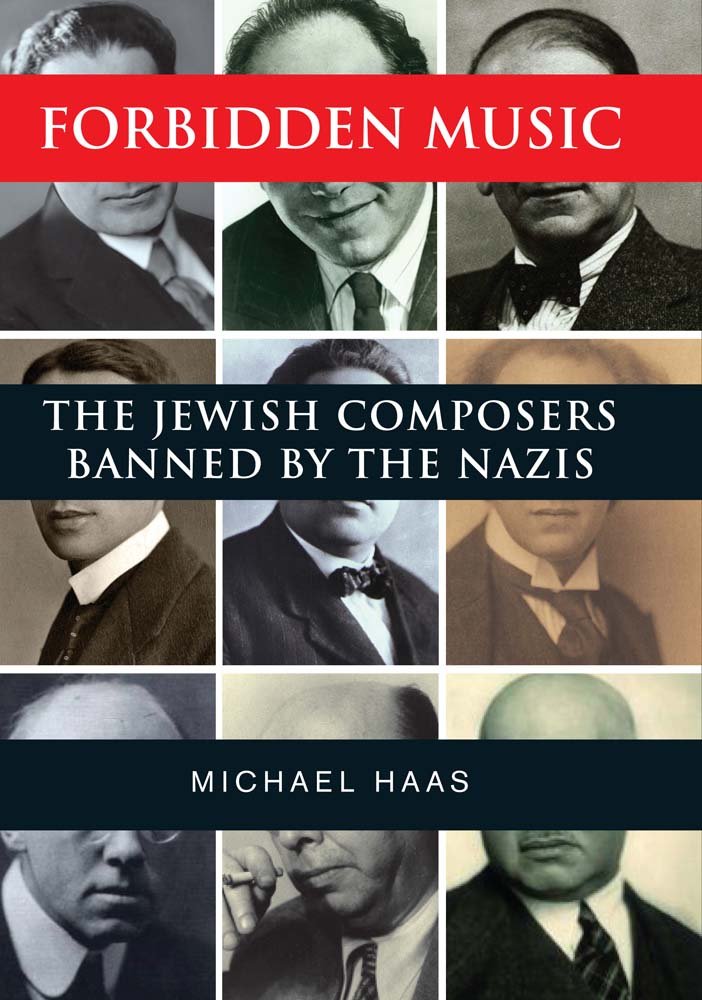
Michael Haas looks at the actual contribution of Jewish composers in Germany and Austria before 1933, at their increasingly precarious position in Nazi Europe, their forced emigration before and during the war, their ambivalent relationships with their countries of refuge, such as Britain and the United States and their contributions within the radically changed post-war music environment.