
Alma Rose: Vienna to Auschwitz

Share this article:

Richard Newman

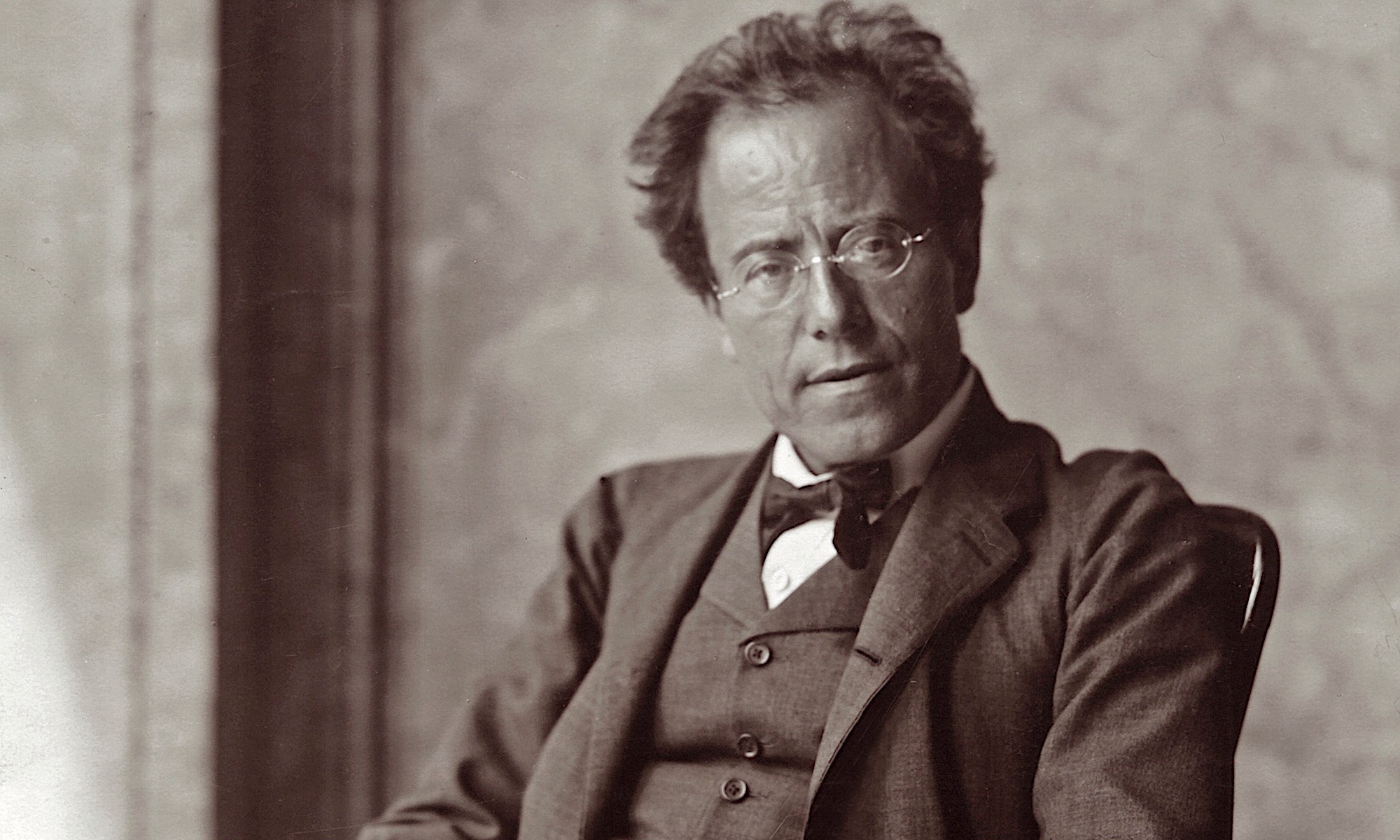
Alma Rosé’s tragic story, from her birth and youth in the exalted musical circles of Vienna (her father was the leader of the Vienna Philharmonic, her uncle was Gustav Mahler) to her death at Auschwitz, first came to public attention through the 1980 film Playing for Time.

As the leader of the only women’s orchestra in the Nazi camps, by force of her will and spirit, she molded a terrified group of young musicians into an ensemble that became their sole hope of survival.

And although Alma herself died of a sudden illness shortly before the liberation of the camps, she saved the lives of some four dozen members of the orchestra. In telling her full story for the first time, Richard Newman and Karen Kirtley honor her and the valiant prisoner-musicians for whom music meant life.

If you have found any errors or text needing citation, please notify us by selecting that text and pressing Ctrl+Enter.

Alma Rose: Vienna to Auschwitz

Share this article

Mahler's newsletter.

Get highlights of the most important news delivered to your email inbox

By subscribing, you agree to receive communications from Mahler Foundation and accept our Privacy Policy.

Also in Books

Books

Forbidden Music

The Jewish Composers Banned by the Nazis With National Socialism’s arrival in

Books

Mahlers Forgotten Conductor

Heinz Unger and his Search for Jewish Meaning Hernan Tesler-Mabé This microhistorical

Books

Schoenberg’s Correspondence With Alma Mahler

Elizabeth L- Keathley & Marilyn L. McCoy A fresh perspective on two

Error report

The following text will be sent to our editors: