Explore our initiatives preserving and promoting Mahler’s musical heritage.
Explore our initiatives preserving and promoting Mahler’s musical heritage worldwide.
Join us in preserving Mahler’s extraordinary legacy for future generations.
Explore our curated collection of Mahler resources—carefully preserved and organized for researchers, musicians, and enthusiasts seeking deeper insights into his life and work.
Wer hat dies Liedlein erdacht? is another pastoral setting and, as Verlorene
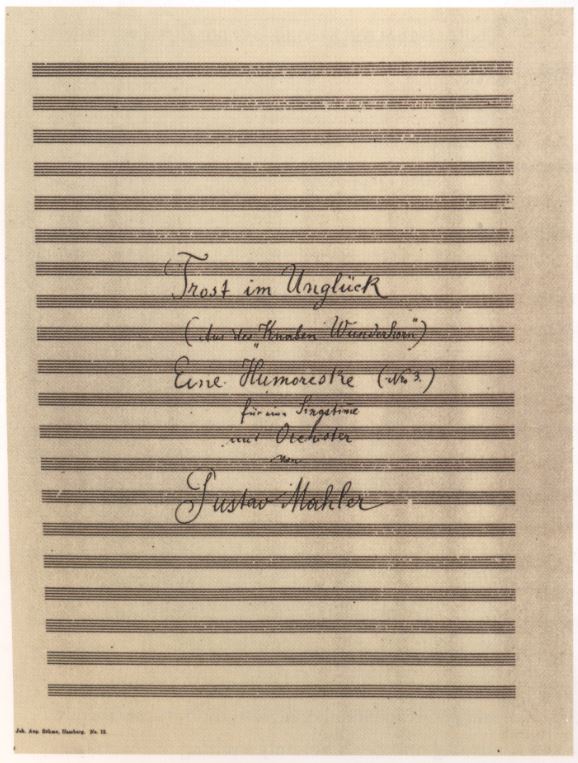
Trost im Unglück describes the feelings of somebody trying to move past
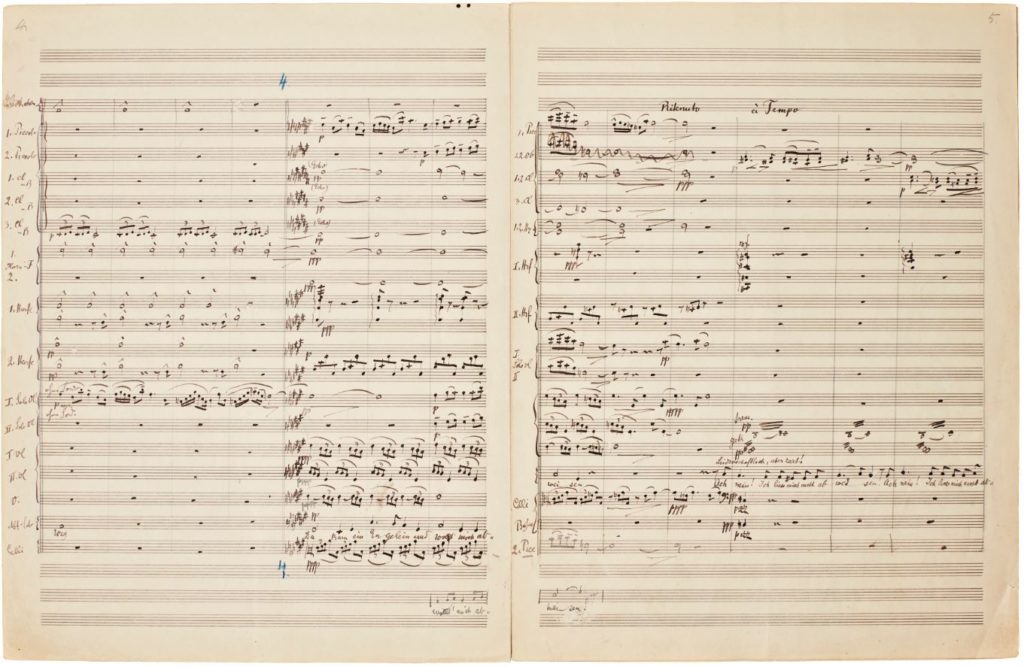
Verlorene Müh’ is another dialogue song, and it is in the distinctive
Der Schildwache Nachtlied is a complex military-style song with trumpet calls and
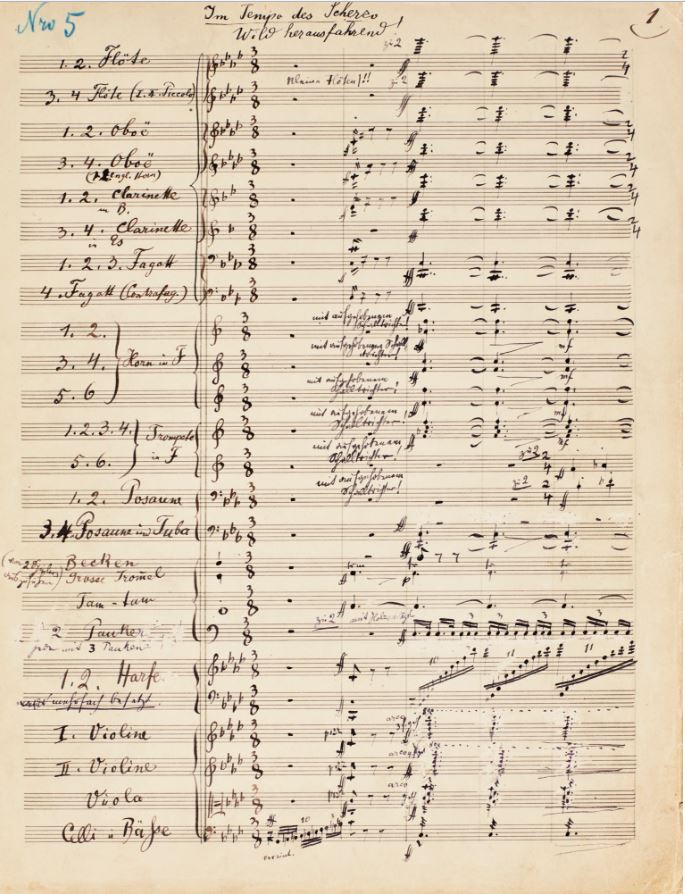
At the same speed as the Scherzo. In a wild outburst. The
Primeval Light. Very solemn but simple (In the manner of a chorale).
Scherzo bases on Gustav Mahlers’ Lied 6: Des Antonius von Padua Fischpredigt (Des
The final song, “Selbstgefühl” (My mood), starts with a dynamic of forte.
Balancing the soft low texture with piano remains one of the main