A Study in Musical Semiotics
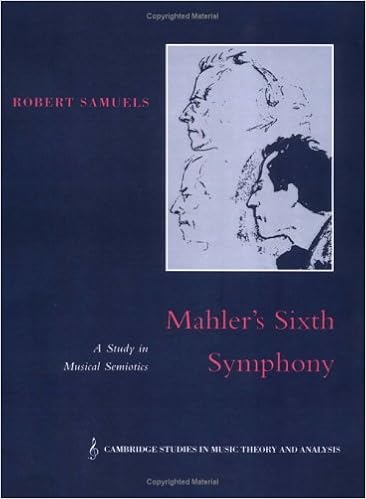
Robert Samuels
(Cambridge Studies in Music Theory and Analysis)
The terms of the structuralist and post-structuralist theory have been widely debated within the field of music analysis in recent years.
However, very few analyses have attempted to address the repertoire of large orchestral works of the turn of the century – works that seem most obvious to escape the categories of conventional analysis.
This study uses a semiotic theory of signification in order to investigate different types of musical communication. Musical meaning is defined on several levels from structures immanent to the work, through questions of tradition and genre, to consideration of the symphony as a narrative alongside other contemporary non-musical texts. Ideas from Eco, Barthes, and Derrida are deployed within the context of close analysis of the score in order to unite specifically analytical insights with cultural hermeneutics.