Explore our initiatives preserving and promoting Mahler’s musical heritage.
Explore our initiatives preserving and promoting Mahler’s musical heritage worldwide.
Join us in preserving Mahler’s extraordinary legacy for future generations.
Explore our curated collection of Mahler resources—carefully preserved and organized for researchers, musicians, and enthusiasts seeking deeper insights into his life and work.
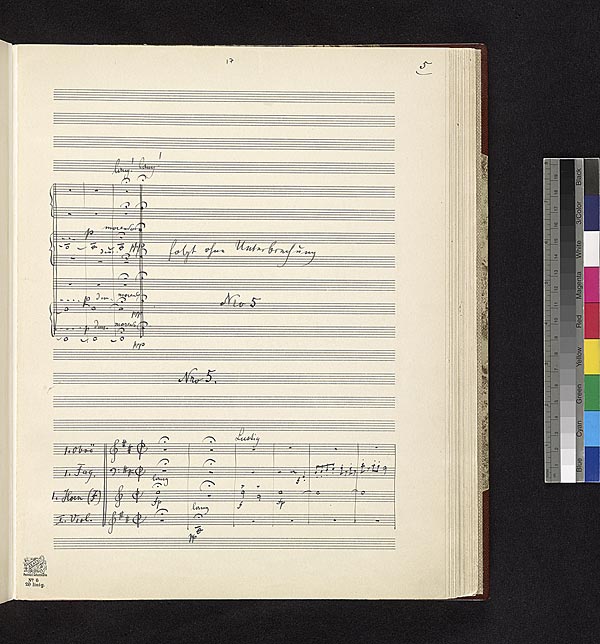
Nun will die Sonn’ so hell aufgeh’n Nun will die Sonn’ so
D major. Finally, the fifth movement is amazing; a long and continued
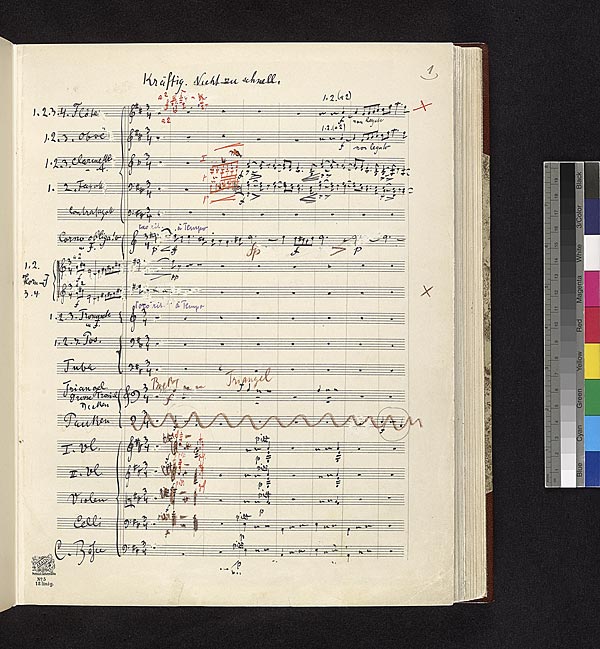
F major. Willem Mengelberg (1871-1951) wrote notes on “Spitzentechnik” on the front cover
D major. Horn solo. As second part of the symphony follows the
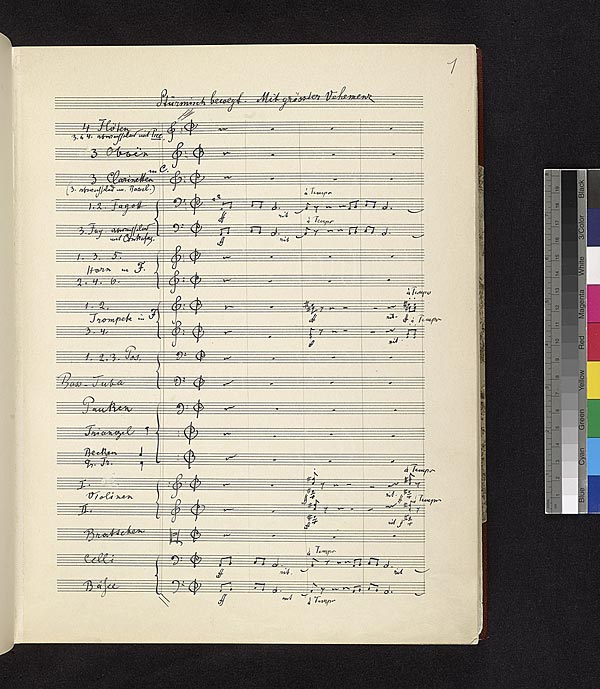
Moving stormily, with the greatest vehemence. a minor. The second movement starts
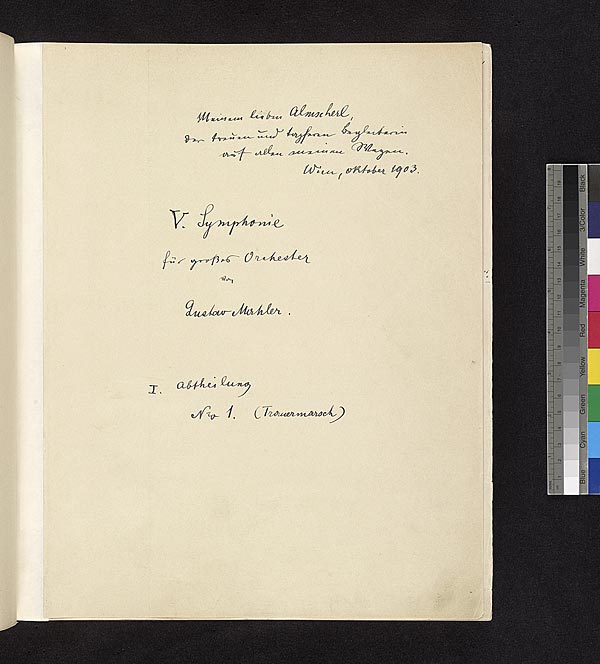
The both first movements are in the tragic and gloomy keys of
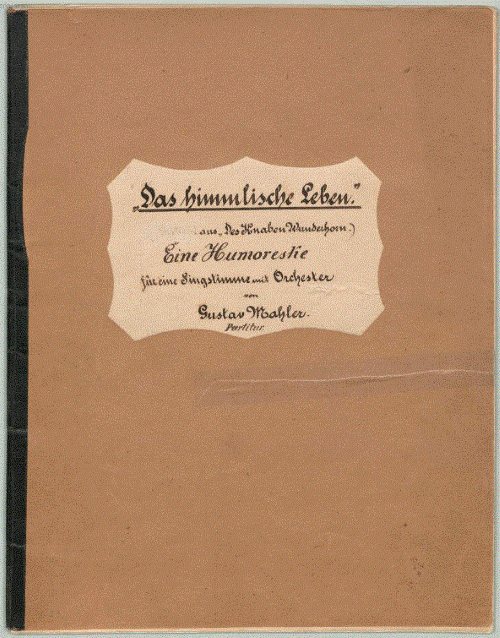
Was originally part of Des Knaben Wunderhorn. See: Introduction Des Knaben Wunderhorn, 12
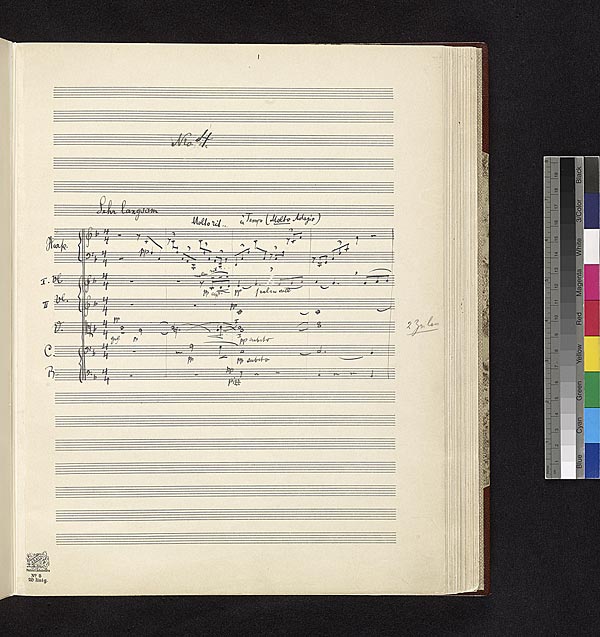
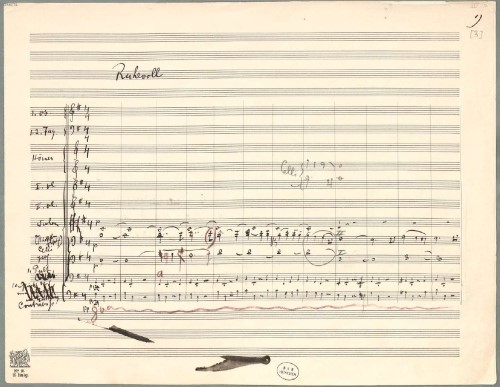
Peacefully, somewhat slowly. Theme and variations. The third movement is a solemn processional
Scherzo. Violin solo. Leisurely moving, without haste. Scherzo and Trio. The second movement