
- 23-06-1876 Vienna: 1876 Concert Vienna 23-06-1876 (piano). Wins first prize for piano at Vienna Conservatory for performance of a Schubert sonata in A minor.
- 00-05-1900 Vienna: Serbian decoration due to the presence of Alexander of Serbia.
- 13-10-1903 Vienna: Orden …
- In order of year.
- See also: Paintings, drawings and silhouettes.
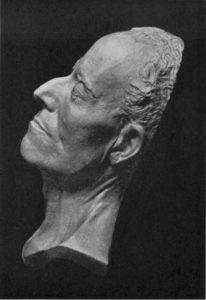
- See also: Sculpture.
- Photos can be found in the Chronology.
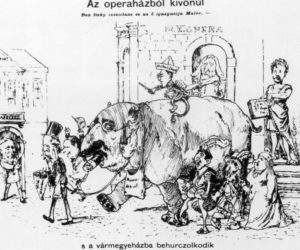
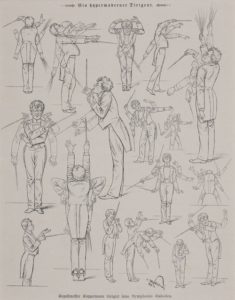
Year 1889. Poking fun at Mahler’s conducting at the premiere of his Symphony No. 1 in Budapest …
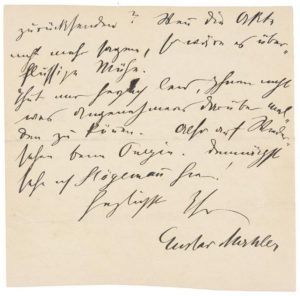
- Correspondence (Tags)
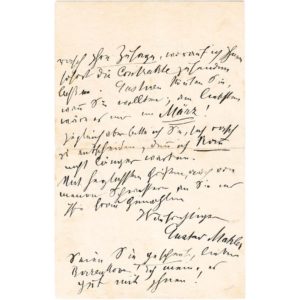
2. The Mahler Family Letters One day it might become possible to embark upon a complete edition of Mahler’s letters. Those currently published are scattered in various states of textual completeness among a number …
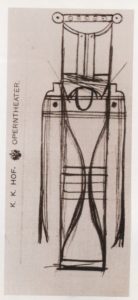

- Christoph Willibald von Gluck (1714-1787).
- Ludwig van Beethoven (1770-1827). Coriolan Overture.
- Richard Wagner (1813-1883).
…
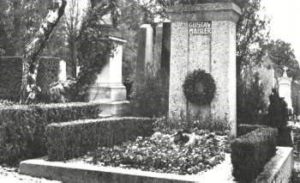
- Gravestone Gustav Mahler, Vienna, Grinzing cemetery, Vienna.
- Also in this grave: Maria Anna Mahler (Putzi) (1902-1907).
- See also: Gustav Mahler funeral.
- Later a simple grave stone was placed, designed by Josef Hoffmann (1870-1956), who was also a student at …
- Born: 07-07-1860 Kaliste, House Gustav Mahler Kaliste 1860 (Birthplace, house No. 9), Czech Republic, Year 1860.
- Father: Bernard Mahler (1827-1889).
- Mother: Marie Mahler-Herrmann (1837-1889).
- Hereditary diseases: Mother and possibly siblings: Heart disease. Brother Ernst …

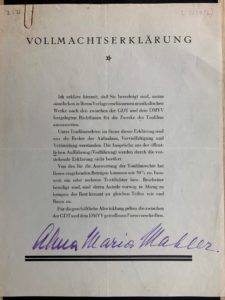
Gustav Mahler (1860-1911) and Alma Mahler (1879-1964)
- 1930: Hans Gu?rtler was an attorney in Vienna. Kallir was an art dealer and a friend of …
- Year 1902, 09-03-1902.
- Karlskirche, Vienna, Austria.
- Private meeting. Only four people present. Alma Mahler (1879-1964) is pregnant. But that is not clear yet. Friends of the couple were surprised by …

- 1909: Pocket score of Symphony No. 7.
Bussjager & Rattig music publishers (Vienna)
- 1880: Bruckner – Symphony No. 3 in D minor, arr. piano duet
Doblinger music publishers (Vienna and Munich)
- 1902: …
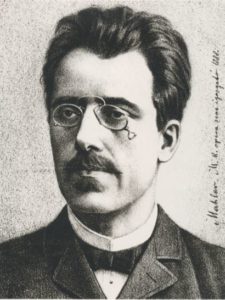
- In order of year.
- See also: Cartoons and caricatures.
- See also: Sculpture.
- Photos can be found in the Chronology.
Year 1888. Drawing. Artist unknown. Probably in Budapest. Year 1888. Engraving by Zsigmond Pollak, 03-11-1888. Year 1898. Sketch by …
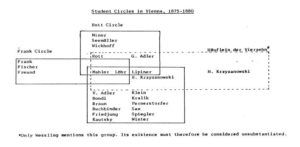
The Pernerstorfer Circle was a group of late- 19th-century Viennese intellectuals who developed and shared a collective outlook. This outlook strongly influenced their individual activities within their own specialties, including …
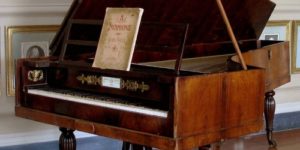
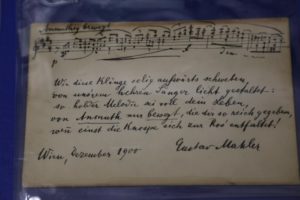
- Friedrich Klopstock (1724-1803).
- Johann Wolfgang von Goethe (1749-1832).
- Johann Christoph Friedrich von Schiller (1759-1805).
- Jean Paul (1763-1825).
- Johann Christian Friedrich Hölderlin (1770-1843).
- Clemens Brentano (1778-1842).
- Ludwig Achim …
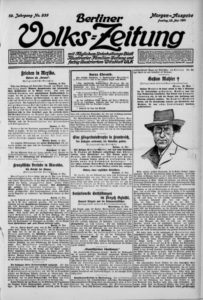
- Das interessante Blatt (1882-1939)
- Deutsche Zeitung (1871-1907)
- Deutsches Volksblatt (1889-1922)
- Neue Freie Presse (1864-1938)
- Neues Wiener Tagblatt (1867-1945)
- Neues Wiener Journal (1893-1939)
- Morgenblatt
- Wiener Allgemeine Zeitung (1880-1934)
- Wiener Bilder
Caricatures in
- …
- 1923 – Erinnerungen an Gustav Mahler by Natalie Bauer-Lechner (1858-1921). In Médiathèque Musicale Mahler.
- Fragment (Audio, German, duration 01:55): Anna Justine Mahler (Gucki) (1904-1988) about her mother Alma Mahler (1879-1964).
- Fragment (Audio, German, duration 02:51): Anna Justine Mahler (Gucki) (1904-1988), Milan Dubrovic (1903-1994), Gina Kaus (1893-1985), Walter …
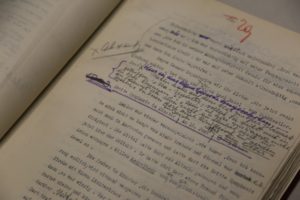
- Fragment (Audio, English, duration 02:32): Alma Mahler (1879-1964) about Gustav Mahler (and Gustave Charpentier (1860-1956)‘s “Louise”).
- Fragment (Audio, German, duration 14:23): Alma Mahler (1879-1964) about the trophies in her house and about Gustav Mahler (1860-1911). Interview …

- Year 1905.
- 09-11-1905.
- Gustav Mahler (1860-1911) plays the piano at the Welte-Mignon recording studio in Leipzig, Germany.
- Leipzig.
- Welte-Mignon.
- System: Mignon rot.
- Firma: Welte (1904-ca. 1932).
- Recorded on piano rolls.
- Four rolls, Four recordings.
- Total duration: 27:07.
- System now …
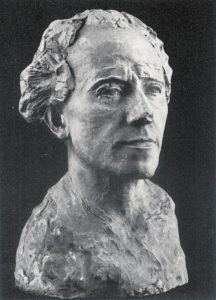
Alma Mahler (1879-1964)‘s father-in-law, the painter Carl Julius Rudolf Moll (1861-1945), wanted Auguste Rodin (1840-1917) to portray Gustav Mahler (1860-1911) as a tribute to the musician following his departure from the …
- Hiking.
- Swimming.
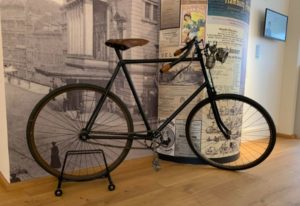
- Bicycle. See Wilhelm Zinne (1858-1934).
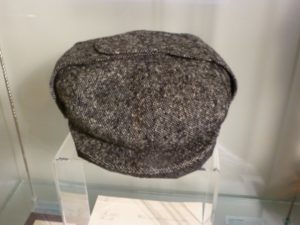
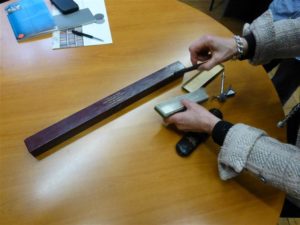
Bicycle owned by the Gustav Mahler Vereinigung Hamburg …
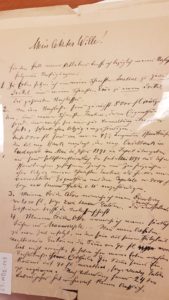
- Justine (Ernestine) Rose-Mahler (1868-1938): two-thirds of his estate,
- Emma Marie Eleanor Rose-Mahler (1875-1933): a third of his …
Gustav Mahler (1860-1911) was a late-Romantic composer and one of the leading conductors of his generation. He was born to a Jewish family in the village of Kaliste in Bohemia, in what was then the Austro-Hungarian Empire, now the Czech Republic.
As a composer, Gustav Mahler acted as a bridge between the 19th-century Austro-German tradition and the modernism of the early 20th century. While in his lifetime his status as a conductor was established beyond question, his own music gained popularity in Europe (especially Austria, Germany, and the Netherlands) before the Second World War (when performances were banned in those countries). After the war, émigré conductors popularized his works in the US and UK as well, and they gained popularity when recordings became widely available, especially after the anniversary years of 1960/61.
Gustav Mahler (1860-1911) – Symphony No. 1 (1888)
Gustav Mahler’s oeuvre is relatively small; for much of his life composing was necessarily a part-time activity while he earned his living as a conductor. Aside from early works such as a movement from a piano quartet, composed when he was a student in Vienna, Gustav Mahler’s works are designed for large orchestral forces, symphonic choruses and vocal soloists.
Gustav Mahler (1860-1911) – Symphony No. 2 (1894)
His works were often controversial when first performed, and several were slow to receive critical and popular approval. Some of Gustav Mahler’s immediate musical successors included the composers of the Second Viennese School, notably Arnold Schoenberg, Alban Berg and Anton Webern.